





Introduction
When you’re building or managing a website, two important things matter the most: how fast your site loads and how clean your content looks. One helpful tool is a page size checker spellmistake tool, which helps you measure webpage file sizes while also catching typos or spelling errors. Many people search for these tools online, but sometimes they misspell the term as “spellmistake” instead of “spell mistake.” This article will guide you through everything you need to know about page size checkers, why spelling errors matter, how to use these tools correctly, and how to improve your website’s performance and quality in 2026.
Whether you’re a student working on a school project, a blogger trying to grow your audience, or a small business owner building your first website, understanding page size and content quality is crucial. Large page sizes slow down your site, causing visitors to leave before they even see your content. Similarly, spelling mistakes make your site look unprofessional and reduce trust. In this comprehensive guide, we’ll break down these topics into simple, easy-to-understand sections that will help you master both concepts. Let’s dive in and explore how you can make your website faster, cleaner, and more successful.
What Is a Page Size Checker
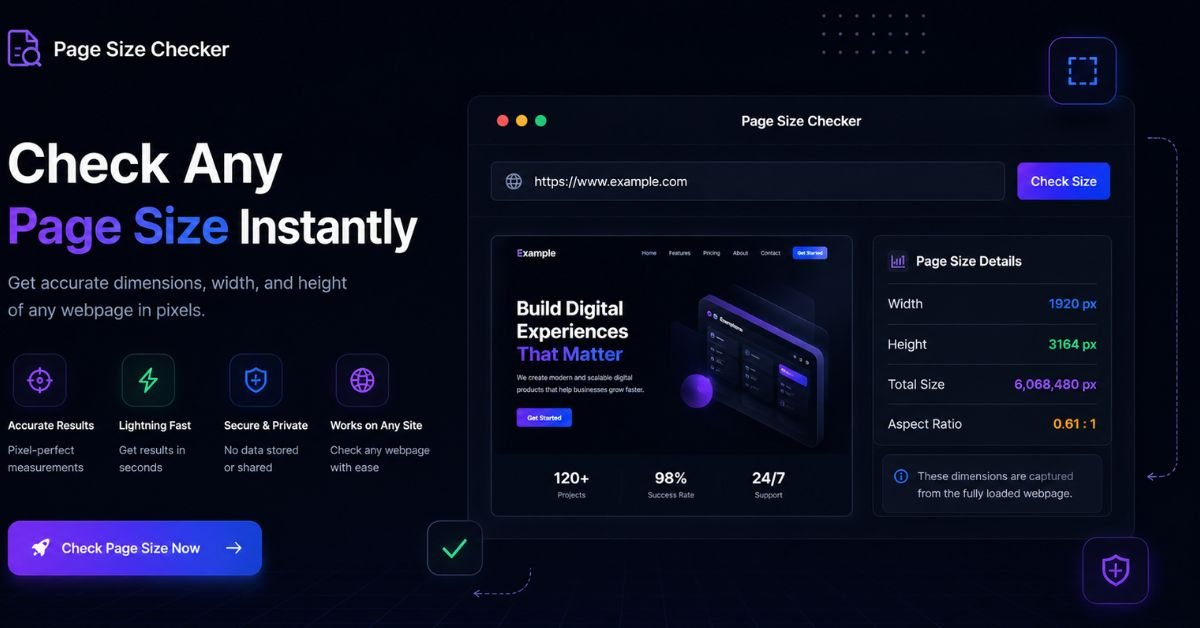
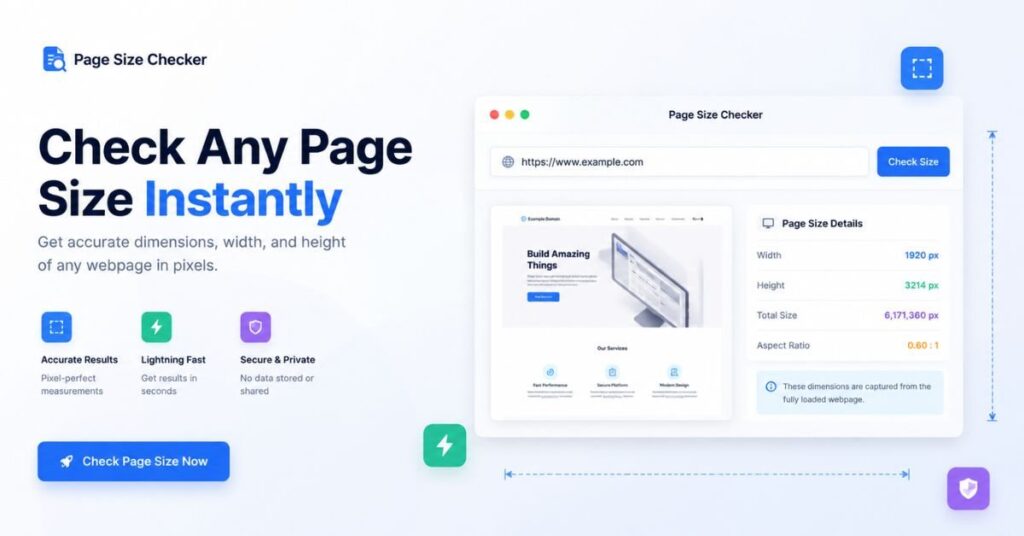
A page size checker is a simple online tool that tells you how big your webpage is. When we talk about “page size,” we mean the total amount of data that loads when someone visits your page. This includes text, images, videos, fonts, code, and everything else that makes up your webpage.
Think of it like weighing your school backpack. If it’s too heavy, you’ll walk slowly and get tired. Similarly, if your webpage is too big, it loads slowly, and visitors might leave before it finishes loading.
Most page size checkers are free and easy to use. You just enter your website URL (web address), and the tool scans your page. Within seconds, it shows you the total file size, usually measured in kilobytes (KB) or megabytes (MB).
Why does this matter
Google and other search engines care about page speed. Faster pages rank higher in search results. According to research from Google Developers, pages that load within 2-3 seconds have better user engagement and lower bounce rates.
A good page size in 2026 should be under 2-3 MB for desktop and under 1-2 MB for mobile devices. Anything larger might cause slow loading times, especially for people with slower internet connections.
Using a page size checker regularly helps you keep your website healthy and fast. It’s like taking your car for regular check-ups to make sure everything runs smoothly.
Why Spelling Mistakes Matter on Your Website
Spelling mistakes might seem like small problems, but they can seriously damage your website’s reputation. When visitors see words spelled incorrectly, they might think you’re careless or unprofessional. This is especially true for business websites, where trust is everything.
Imagine reading a restaurant menu with spelling errors. Would you trust the food quality? Probably not. The same logic applies to websites. Clean, error-free content shows that you care about quality and pay attention to details.
Spelling errors can also hurt your search engine rankings. Search engines like Google want to show users the best, most reliable content. If your page has many spelling mistakes, Google might rank it lower because it seems less trustworthy.
For students creating school projects or portfolios, spelling mistakes can affect grades and first impressions. For businesses, they can cost customers. Studies show that 59% of people avoid buying from websites with obvious grammar or spelling errors.
Common spelling mistakes happen when people type fast, use autocorrect incorrectly, or simply don’t know the correct spelling. Sometimes, people even misspell search terms themselves, like typing “spellmistake” instead of “spell mistake.”
Fixing spelling errors is easy with the right tools. Most browsers have built-in spell checkers, and there are dedicated tools like Grammarly, Microsoft Editor, and free online spell checkers that catch mistakes instantly.
How a Page Size Checker Spellmistake Tool Works
A page size checker spellmistake tool combines two functions: measuring page size and checking for spelling errors. While these tools aren’t extremely common as a single package, some advanced website auditing tools offer both features together.
Here’s how it typically works: You enter your webpage URL into the tool. The tool then scans your page in two ways. First, it calculates the total size of all files loaded on that page. Second, it scans the visible text content for spelling mistakes.
The tool displays results in an easy-to-read format, showing you the total page size and highlighting any words that might be spelled incorrectly. Some advanced tools even suggest corrections and show you where each error appears on your page.
This combined approach saves time because you don’t need to use two separate tools. You can check both your site’s technical performance and content quality in one go.
These tools work by accessing your webpage just like a regular visitor would. They download all the files, add up the sizes, and use dictionary databases to compare your words against correct spellings.
For website owners managing multiple pages, this type of tool is incredibly valuable. Instead of checking each page separately for size and then separately for spelling, you get both reports together, making website maintenance much more efficient.
Common Spelling Mistakes People Make When Searching for Tools
Interestingly, many people make spelling mistakes when searching for these tools online. One common error is typing “page size checker spellmistake” as one word instead of “page size checker spell mistake” as two separate words.
Other common search mistakes include:
- “paige size checker” (using “paige” instead of “page”)
- “page sise checker” (misspelling “size” as “sise”)
- “page size cheker” (leaving out one ‘c’ in “checker”)
- “spell mistake checker” when they mean “spelling mistake checker”
These typing errors happen because people type quickly or because autocorrect doesn’t catch everything. Some people also speak English as a second language and aren’t sure about correct spellings.
Search engines like Google are smart enough to understand what you meant and often show correct results even when you misspell your search. This is called “fuzzy matching” or autocorrect in search.
However, if you’re creating content or building a tool, you should use correct spelling. This helps your content appear in search results and makes you look more professional.
Being aware of common spelling errors also helps when you’re doing keyword research for your website. You might want to include common misspellings in your content (in a natural way) so people who search incorrectly can still find your helpful information.
Understanding these patterns shows why spell-checking tools are so important—not just for website content, but even for everyday online searching.
Best Page Size Checker Tools in 2026
There are many excellent free and paid tools available to check your page size. Here are some of the most trusted and popular options in 2026:
GTmetrix
Is one of the most popular page performance tools. It shows your page size, loading time, and gives detailed recommendations for improvements. It’s free for basic use and very beginner-friendly.
Google PageSpeed Insights
Is Google’s official tool for checking page speed and size. Since Google created it, you know it follows the latest web standards. It analyzes both mobile and desktop versions of your page.
Pingdom Website Speed Test
Offers a clean interface and shows your page size along with a performance grade. You can test from different locations around the world, which is helpful for international websites.
WebPageTest
Gives very detailed technical information. It’s more advanced but offers in-depth data about every element loading on your page. This tool is perfect if you want to dig deep into performance issues.
Tools from Chrome DevTools
Are built right into the Google Chrome browser. You can press F12, click on the Network tab, and see the exact size of your page and every file loaded. This is completely free and doesn’t require signing up anywhere.
Many of these tools also show you which elements are making your page heavy. They might tell you, “Your images are 2 MB—try compressing them.” This actionable advice helps you fix problems quickly.
Best Spelling and Grammar Checking Tools
Just like page size checkers, there are many excellent tools for catching spelling and grammar mistakes. These tools help keep your content clean and professional.
Grammarly
Is probably the most famous spelling and grammar tool. It works as a browser extension, desktop app, and mobile keyboard. The free version catches most spelling errors, while the paid version offers advanced grammar suggestions.
Microsoft Editor
Comes built into Microsoft Word and is also available as a browser extension. If you already use Microsoft products, this tool integrates seamlessly and offers excellent spelling and grammar checking.
Hemingway Editor
Focuses on readability. While it does catch some spelling errors, its main strength is making your writing clearer and easier to read. This is perfect for making sure even Grade 7 students can understand your content.
LanguageTool
Supports multiple languages, making it ideal if you write in languages other than English. It catches spelling mistakes, grammar errors, and style issues.
Browser Built-in Spell Checkers
Come with Chrome, Firefox, Safari, and Edge. These free checkers underline misspelled words in red as you type. They’re basic but very useful for quick checks.
For website content management systems like WordPress, plugins like JetPack include spelling checkers. These catch errors while you’re writing your posts, before you publish them to the world.
Using a combination of these tools ensures your content is error-free and professional.
How Page Size Affects Website Speed and SEO
Page size directly impacts how fast your website loads, and loading speed is crucial for both user experience and search engine rankings. Let’s break down this connection in simple terms.
When someone clicks on your website, their browser must download all the files that make up your page. The bigger these files are, the longer the download takes. If your page size is 5 MB, it takes much longer to load than a page that’s only 1 MB.
Google has stated clearly that page speed is a ranking factor. This means faster websites get better positions in search results. Google’s Core Web Vitals, updated regularly through 2026, measure loading performance, interactivity, and visual stability.
According to data from Google’s Web Fundamentals, 53% of mobile users leave a page if it takes longer than three seconds to load. That’s more than half your potential visitors gone before they see anything!
Page speed also affects conversion rates. Studies show that even a one-second delay in loading time can reduce conversions by 7%. For an online store making $100,000 per day, that’s $7,000 lost revenue daily.
Search engines want to recommend fast websites because users prefer them. If your page is slow, even if you have great content, you might rank lower than competitors with faster pages.
Reducing page size is one of the easiest ways to improve speed. Compressing images, removing unnecessary code, and using modern web formats all help shrink page size and boost performance.
Practical Steps to Reduce Page Size
Now that you understand why page size matters, let’s look at practical steps you can take to make your pages smaller and faster.
Compress your images
Images are usually the biggest files on web pages. Use free tools like TinyPNG, ImageOptim, or built-in WordPress compression plugins to reduce image file sizes without losing quality. Converting images to modern formats like WebP can reduce size by 25-35%.
Minimize CSS and JavaScript
These code files can be “minified,” which means removing unnecessary spaces, comments, and characters. Tools like UglifyJS and CSSNano do this automatically.
Use lazy loading
This technique loads images and videos only when users scroll down to see them. Instead of loading everything at once, lazy loading reduces initial page size significantly.
Enable compression
GZIP or Brotli compression makes all your files smaller before sending them to visitors’ browsers. Most web hosting companies offer this as a simple one-click option.
Remove unused plugins and scripts
Every plugin or third-party script adds to your page size. Remove anything you’re not actively using.
Use a Content Delivery Network (CDN)
CDNs store copies of your site on servers around the world, delivering content from the closest location to each visitor. This doesn’t reduce file size but makes delivery faster.
Choose efficient hosting
Good web hosting makes a big difference. Shared hosting might be cheap but often results in slower loading. Consider upgrading to better hosting if your site is important to you.
Regularly checking your page size with a page size checker spellmistake tool and implementing these steps will keep your website running smoothly.
Practical Steps to Fix Spelling Mistakes
Fixing spelling errors is easier than you might think. Here’s a step-by-step approach to keep your content error-free.
Use spell check while writing
Don’t wait until you’re done writing to check for errors. Most writing tools highlight mistakes as you type, making it easy to fix them immediately.
Read your content out loud
When you read silently, your brain sometimes fills in mistakes. Reading aloud forces you to see each word clearly and often reveals errors you’d otherwise miss.
Take breaks before proofreading
After writing, step away for at least an hour or even a day if possible. Coming back with fresh eyes helps you spot mistakes you were blind to before.
Use multiple tools
Don’t rely on just one spell checker. Run your content through Grammarly, then paste it into Microsoft Word, and maybe also use a browser checker. Different tools catch different errors.
Ask someone else to review
A second pair of eyes always helps. Ask a friend, colleague, or family member to read through your content. They’ll often spot things you missed.
Create a personal list of common mistakes
We all have words we consistently misspell. Keep a list of yours and double-check these words specifically.
Be careful with homophones
Words like “their/there/they’re” and “your/you’re” sound the same but mean different things. Spell checkers often miss these because they’re spelled correctly, just used wrongly.
Following these steps ensures your content is professional and trustworthy.
Understanding the Connection Between Page Performance and Content Quality
Website success depends on two main pillars: technical performance and content quality. These aren’t separate issues—they work together to create a great user experience.
Fast-loading pages keep visitors engaged, but if the content has spelling mistakes and poor grammar, visitors won’t trust your information. Conversely, perfectly written content won’t matter if your page takes 10 seconds to load because most people will leave before seeing it.
Think of it like a restaurant. Even if the food is delicious (great content), if customers have to wait 30 minutes for service (slow loading), they’ll leave angry. But if service is fast (quick loading) and the food is terrible (poor content), they won’t come back either.
Google understands this connection. Their E-E-A-T guidelines (Experience, Expertise, Authoritativeness, and Trustworthiness) evaluate content quality. Pages with many spelling errors score lower on trustworthiness.
The best websites optimize both aspects. They use tools like the page size checker spellmistake approach to monitor technical performance and content quality together.
For website owners in 2026, this dual focus is essential. Users have higher expectations than ever. They want instant loading and perfect content. Search engines reward sites that deliver both.
Building a successful website means regular maintenance: checking page size monthly, proofreading all new content before publishing, and keeping everything updated and optimized.
This holistic approach ensures long-term success and helps you build an audience that trusts your information and enjoys visiting your site.
Visual Guide: Page Size Benchmarks and Performance Metrics
Understanding numbers helps you know where you stand. Here are two helpful reference tables for page size and performance benchmarks in 2026.
Recommended Page Size by Website Type
| Website Type | Ideal Desktop Page Size | Ideal Mobile Page Size | Maximum Recommended |
|---|---|---|---|
| Blog Posts | 1-2 MB | 500 KB – 1 MB | 3 MB |
| E-commerce Product Pages | 1.5-2.5 MB | 800 KB – 1.5 MB | 4 MB |
| News Articles | 800 KB – 1.5 MB | 400 KB – 800 KB | 2 MB |
| Portfolio/Photography Sites | 2-4 MB | 1-2 MB | 6 MB |
| Landing Pages | 500 KB – 1 MB | 300 KB – 600 KB | 1.5 MB |
| Business Homepages | 1-2 MB | 600 KB – 1.2 MB | 3 MB |
Page Load Time Expectations by Page Size
| Page Size | Expected Load Time (4G) | Expected Load Time (3G) | User Experience Impact |
|---|---|---|---|
| Under 500 KB | Under 1 second | 1-2 seconds | Excellent – Users very satisfied |
| 500 KB – 1 MB | 1-2 seconds | 2-4 seconds | Good – Acceptable experience |
| 1-2 MB | 2-3 seconds | 4-7 seconds | Fair – Some users may leave |
| 2-3 MB | 3-5 seconds | 7-12 seconds | Poor – Many users abandon page |
| Over 3 MB | 5+ seconds | 12+ seconds | Very Poor – Most users leave |
These tables provide clear benchmarks. Use them to compare your own website’s performance. If your blog post is 5 MB, you know from the first table that it’s way over the ideal range and needs optimization.
Similarly, if your page takes 8 seconds to load on 3G, the second table shows this creates a “Poor” user experience. You’d know immediately that you need to reduce page size.
Refer to these tables when testing your site with a page size checker tool. They help you set realistic goals and measure improvement over time.
Common Mistakes to Avoid When Optimizing Your Website
Even with the best intentions, people often make mistakes when trying to improve their websites. Knowing these common errors helps you avoid them.
Compressing images too much
While reducing image size is good, compressing too aggressively makes images look blurry and unprofessional. Find a balance between file size and quality. Aim for images that look good but aren’t unnecessarily large.
Ignoring mobile users
Over 60% of web traffic comes from mobile devices in 2026. Testing your page size and speed only on desktop means missing more than half your audience. Always test on mobile too.
Relying only on automated spell checkers
Tools are helpful but not perfect. They miss context errors like “their” vs. “there.” Always do a human review as well.
Not testing before and after changes
If you optimize your site, test the page size before making changes, then test again after. This shows you exactly how much improvement you made and whether your efforts worked.
Using too many plugins
Each plugin adds code to your site, increasing page size. Only use essential plugins and regularly review which ones you actually need.
Forgetting about caching
Browser caching stores parts of your site on visitors’ devices, making return visits much faster. Enable caching through your hosting control panel or a plugin.
Not keeping tools updated
Using a page size checker spellmistake tool from 2020 might give outdated benchmarks. Make sure your testing tools and checking software are current for 2026 standards.
Avoiding these mistakes saves time and helps you see real improvements in your website’s performance and content quality.
FAQ
What is a good page size for a website in 2026
A good page size is under 2-3 MB for desktop and under 1-2 MB for mobile. Smaller is generally better for faster loading.
Can spelling mistakes affect my Google ranking?
Yes, many spelling errors can reduce trust signals and affect your E-E-A-T score, potentially lowering your rankings.
Are free page size checkers as good as paid ones?
For most users, free tools like GTmetrix and Google PageSpeed Insights provide all the information needed. Paid tools offer more detailed data and features.
Q4: How often should I check my page size?
Check monthly for established sites, or whenever you add significant new content, images, or features.
Q5: What’s the biggest factor that increases page size?
Images are usually the largest contributor to page size. Uncompressed photos and large image files often account for 60-80% of total page weight.
[…] Software RCSDASSK A Complete Guide for 2026 A Complete Guide Page Size Checker and Common Spelling Mistakes Beaconsoft Latest Tech Features Uses & Benefits Glossywise Com Explained Features, Uses […]