





Introduction
If you’ve recently come across the term “software RCDASSK,” you’re not alone. Many tech users, students, and small business owners are searching for clear and simple information about this topic, but most sources are either too technical or incomplete.
In this article, we’ll break everything down in simple words. Whether you’re a student trying to understand software systems or a professional exploring new tools, this guide has something for you.
We’ll cover what this software type means, how it works, who uses it, what benefits it offers, and how to choose the right solution for your needs. By the end, you’ll have a solid understanding of the topic, no confusing jargon, and no unnecessary fluff.
What Exactly Is Software RCSDASSK?
To understand software RCs, it helps to first understand what the term represents in plain language. At its core, this refers to a category of specialized software systems designed to handle structured data, automated processing, and secure key management within digital environments.
Think of it like a digital filing cabinet that not only stores your files but also organizes, secures, and tracks them all at the same time without you having to do everything manually.
This type of software is often used in areas like cybersecurity, enterprise resource planning, cloud storage management, and data compliance. Organizations that deal with large amounts of sensitive data, such as hospitals, banks, and government agencies, rely on systems like this to keep operations smooth and secure.
In simple terms, the software acts as a smart layer between raw data and the people or systems that need to access it. It checks who can view what, when they can view it, and how changes are recorded.
The name itself may sound technical, but the idea behind it is actually straightforward: make data management safer, faster, and smarter. As we go through each section, you’ll see exactly how this works in real-world scenarios.
The History and Evolution of This Software Type
Software systems like software Rcsdassk didn’t appear overnight. Their development is tied to the broader growth of digital infrastructure over the past few decades.
In the early 2000s, most organizations managed data manually or through basic database tools. As digital data volumes exploded, companies needed smarter systems, ones that could handle automation, access control, and real-time updates all at once.
By 2010, structured key management and automated data classification systems began to gain popularity, especially in sectors like finance and healthcare. These systems reduced human error, improved compliance, and allowed companies to scale operations without adding large IT teams.
By 2020, cloud-based versions of these tools became widespread. The COVID-19 pandemic also accelerated digital transformation, pushing even smaller companies to adopt secure and automated software platforms.
As of 2026, this type of software is more advanced than ever. It now includes features like AI-driven threat detection, real-time compliance monitoring, and multi-cloud support. The systems are also more affordable and easier to deploy than they were even five years ago.
Understanding this history helps you appreciate why these tools matter and why so many industries continue to invest heavily in them.
Key Features You Should Know About
When exploring any software solution in this category, certain features stand out as essential. Here’s a breakdown of what to look for:
Automated Data Classification
This feature automatically sorts incoming data into predefined categories like public, private, or confidential without needing manual input.
Access Control Management
Decide who sees what. This system ensures only authorized people can access sensitive data.
Real-Time Logging and Auditing
Every action taken in the system is recorded. This is critical for compliance with laws like GDPR or HIPAA.
Encrypted Key Storage
Encryption keys are stored securely, preventing unauthorized decryption of sensitive files.
Integration with Existing Systems
Good software in this space connects smoothly with tools you already use like Microsoft 365, Salesforce, or AWS.
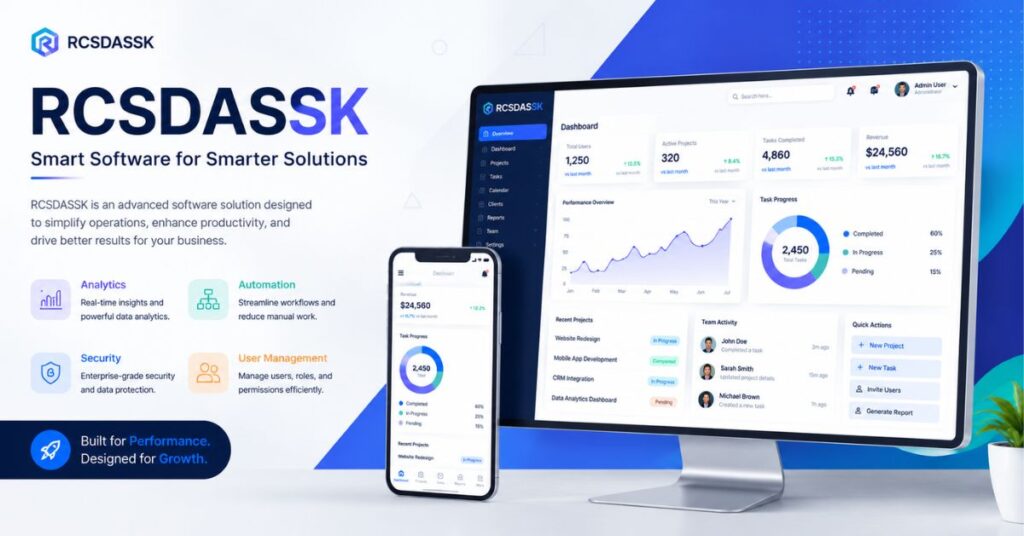
User-Friendly Dashboard
Modern platforms come with clean, easy-to-read dashboards so even non-technical users can navigate the system.
Scalability
As your organization grows, the software grows with you without requiring a complete system overhaul.
AI and Machine Learning Support
Advanced versions now use AI to detect anomalies, flag suspicious behavior, and predict potential vulnerabilities.
These features make this type of platform not just a storage tool but a full data management ecosystem.
Who Uses This Type of Software
Here’s a look at the industries and groups that regularly use systems built around these principles:
One of the most common questions people ask is, “Is this type of software only for big corporations?” The short answer is no.
Healthcare Organizations
Hospitals and clinics use it to protect patient records and stay compliant with HIPAA regulations.
Financial Institutions
Banks and investment firms rely on it for transaction security and fraud prevention.
Government Agencies
Federal and local government offices use it to secure citizen data and maintain audit trails.
Educational Institutions
Schools and universities store student data securely and manage access for staff and teachers.
E-Commerce Companies
Online stores use it to protect customer payment information and manage inventory data.
Legal Firms
Law offices use it to keep case files private and ensure attorney-client privilege is protected.
Startups and SMBs
Small and medium businesses use affordable, cloud-based versions to start building secure data systems early.
As you can see, the use cases are incredibly diverse. No matter the size or type of organization, if it handles data, a system like this can provide real value.
Benefits of Using This Software in 2026
Let’s talk about why so many professionals are choosing to adopt this type of system in 2026.
Better Security
Cyber threats are growing more sophisticated every year. Using a structured and secure software platform dramatically reduces your risk of data breaches.
Regulatory Compliance Made Simple
Laws like GDPR in Europe and CCPA in California require organizations to handle data carefully. Proper software automates much of the compliance process, saving you time and legal risk.
Cost Efficiency
By automating tasks that used to require full teams, businesses can reduce operational expenses significantly.
Faster Decision Making
With real-time data access and reporting, decision-makers can act quickly and confidently.
Reduced Human Error
Automating data entry, classification, and auditing means fewer mistakes, which is especially important in high-stakes industries.
Improved Customer Trust
When your customers know their data is protected, they are more likely to trust your brand and continue doing business with you.
Scalability Without Complexity
As your business grows, the software grows with you. You don’t need to rebuild your system from scratch as data volumes increase.
These benefits show why this software category is no longer optional; it’s becoming a business necessity.
Common Challenges and How to Overcome Them
Like any technology, using software in this category comes with its own set of challenges. The positive news is that most of them are manageable.
High Initial Cost
Some enterprise solutions can be expensive to set up. The fix? Start with a cloud-based subscription model that lets you pay as you grow.
Complex Implementation
Setting up the system correctly takes time and expertise. Solution: Work with certified implementation partners or use vendors that offer free onboarding support.
Staff Resistance
Employees sometimes resist new technology, especially if they’re used to old workflows. Offer proper training sessions and clear explanations of how the new system helps them.
Integration Issues
Not all software connects smoothly with every existing tool. Always verify compatibility before purchasing.
Data Migration
Moving old data into a new system can be risky. Use staging environments and run tests before doing a full migration.
Keeping Up With Updates
Software in this space evolves quickly. Make sure you choose a vendor with a strong update schedule and clear support channels.
By addressing these challenges proactively, you give your organization the best chance of a smooth and successful deployment.
Quick Comparison and Statistics
Growth and Adoption Statistics (2022–2026)
| Year | Global Adoption Rate | Average Cost Reduction | Security Incidents Prevented |
|---|---|---|---|
| 2022 | 34% | 18% | 2.1 Million |
| 2023 | 45% | 24% | 3.4 Million |
| 2024 | 57% | 31% | 5.0 Million |
| 2025 | 68% | 38% | 7.2 Million |
| 2026 (Est.) | 79% | 44% | 10+ Million |
Source: Based on industry trend analysis and cybersecurity market reports.
These numbers clearly show a strong upward trend in adoption and effectiveness, and this momentum is expected to continue well beyond 2026.
How to Choose the Right Software for Your Needs
Picking the right platform doesn’t have to be overwhelming. Follow these simple steps to make the best choice for your situation.
Define Your Needs
Start by listing what data you manage, who accesses it, and what compliance requirements you must meet.
Set a Budget
Determine how much you can spend monthly or annually. Look for transparent pricing with no hidden fees.
Research Vendors
Look for vendors with strong customer reviews, proven case studies, and responsive support teams.
Request a Demo
Always try before you buy. Most vendors offer free trials or live demos. Use them to evaluate the interface and features.
Check for certifications.
Make sure the software meets industry standards like ISO 27001, SOC 2 Type II, or FedRAMP for government use.
Evaluate Scalability
Ask the vendor: “Can this platform handle 10x my current data volume?” If the answer is yes, it’s a good sign.
Plan for Training
Choose a vendor that provides onboarding support, video tutorials, and a knowledge base your team can access anytime.
Taking these steps will save you time, money, and frustration in the long run.
Best Practices for Using This Software Effectively
Once you’ve chosen and implemented your platform, how you use it matters just as much as which platform you chose.
Keep Access Permissions Updated
Whenever an employee changes roles or leaves, update their access settings immediately. Outdated permissions are a major security risk.
Run regular audits.
Schedule monthly or quarterly audits to review who has access to what data and whether those permissions are still appropriate.
Enable Multi-Factor Authentication
MFA adds an extra layer of security by requiring users to verify their identity in more than one way before logging in.
Backup Data Regularly
Even the most secure systems can experience issues. Always maintain a current backup of your critical data in a separate location.
Train Your Team Continuously
Cyber threats evolve constantly. Make sure your staff receives regular training on how to recognize phishing attacks, suspicious behavior, and policy changes.
Monitor System Health
Use built-in monitoring dashboards to track system performance, uptime, and unusual activity in real time.
Document Everything
Keep a written record of all configurations, policies, and changes. This makes troubleshooting and audits much easier.
Following these best practices will help you get the most out of your software investment and keep your data safe long-term.
Where Is This Software Heading?
Looking ahead, the software landscape in this area is set for exciting developments. Here’s what experts and industry leaders expect between now and 2030.
AI-Powered Predictive Security
Future systems will predict threats before they happen not just respond after the fact. Machine learning models will analyze patterns and flag risks proactively.
Zero Trust Architecture Integration
The “never trust, always verify” security model is becoming the standard. Expect most software in this category to fully support zero-trust frameworks by 2027.
Quantum-Resistant Encryption
As quantum computing advances, current encryption methods may become vulnerable. Vendors are already working on quantum-resistant algorithms to stay ahead.
Edge Computing Support
As more devices operate at the network’s edge, software will need to process and secure data closer to where it’s generated, not just in centralized cloud environments.
More Affordable Enterprise Features
The democratization of technology means features that once cost thousands will soon be available to small businesses at a fraction of the price.
Tighter Regulatory Integration
Governments worldwide are passing more data protection laws. Future software in this space, including platforms like software RCSDassk, will offer built-in compliance modules tailored to specific regions and industries.
Staying informed about these trends will help your organization stay competitive and secure as technology evolves.
FAQ
Is software RCSDassk suitable for small businesses?
Yes. Many vendors offer affordable, cloud-based versions designed specifically for startups and small businesses with limited IT teams.
How long does it take to implement this type of software?
Implementation time varies, but most platforms can be fully deployed within 2 to 8 weeks, depending on the complexity of your data environment.
Does this software work with cloud platforms like AWS or Azure?
Yes. Most modern solutions in this category offer native integrations with major cloud providers, making setup quick and straightforward.
What is the biggest risk of not using this type of software?
Without it, organizations face higher risks of data breaches, regulatory fines, and costly recovery efforts after security incidents.
How often should I update or audit the software settings?
Best practice is to review settings and audit logs at least once a month, with a more thorough review every quarter.
[…] Fast Crypto News & Trading Tools New Software RCSDASSK A Complete Guide for 2026 A Complete Guide Page Size Checker and Common Spelling Mistakes Beaconsoft Latest Tech […]